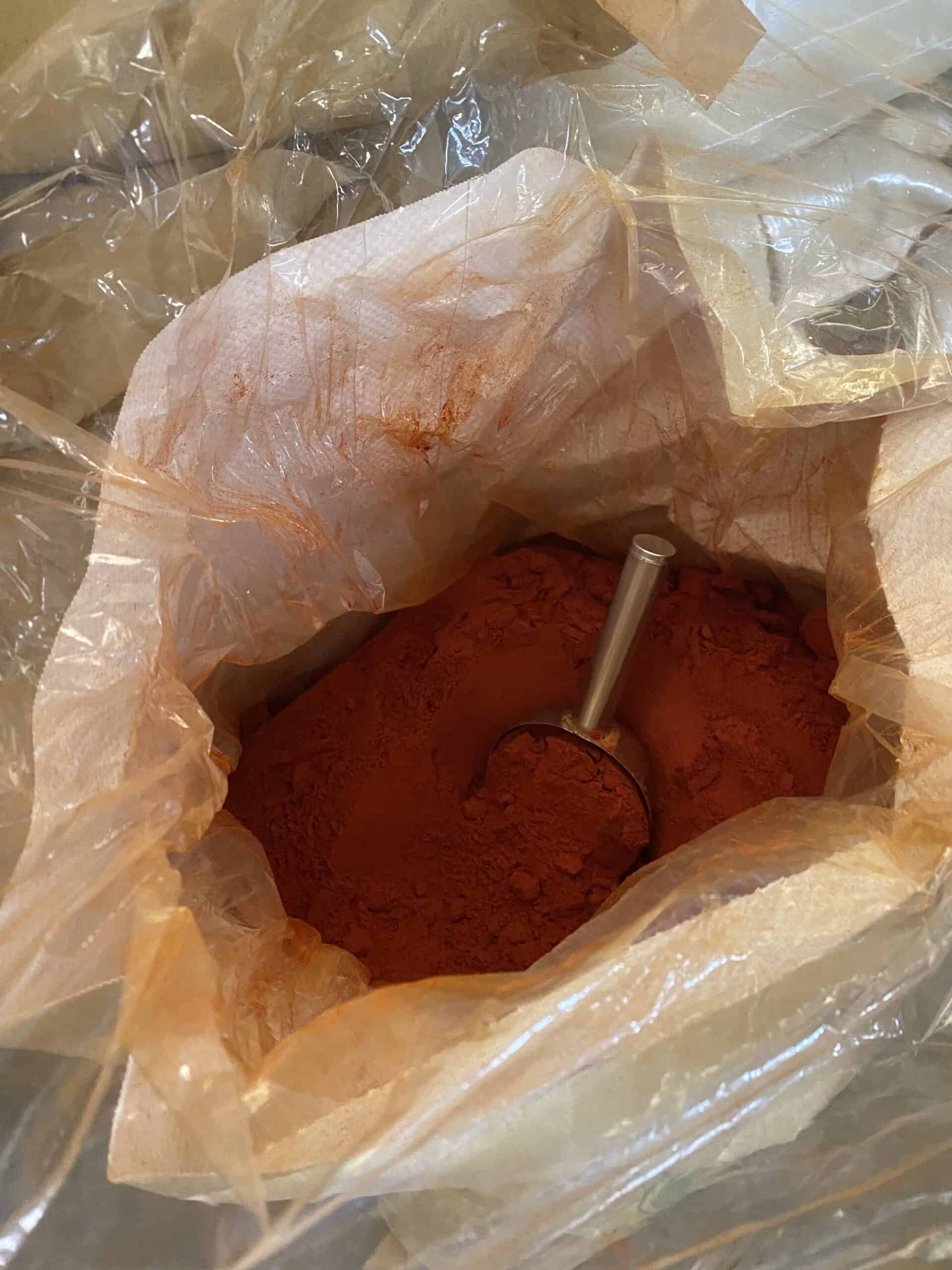
What Are the Key Specifications of Paprika Powder?
Paprika powder is usually evaluated by several key specifications, including ASTA color value, pungency level (SHU), mesh size, moisture content, microbiological limits, sterilization method and packaging. These parameters directly affect color, flavor, food safety, processing performance and shelf life. For professional buyers, the right specification depends on the final application, target market and customer requirements.
ASTA Color Value
ASTA color value is one of the most important quality indicators for paprika powder. It measures the extractable color of paprika and is commonly used by buyers to compare color intensity between different grades. In general, a higher ASTA value means a stronger and deeper red color. Different applications require different color levels, so buyers should select the ASTA range according to the final product rather than simply choosing the highest value.
For example, lower ASTA paprika may be suitable for general seasoning use, while higher ASTA grades are often preferred for processed foods where stable and stronger red color is important.
SHU and Pungency Level
SHU, or Scoville Heat Units, indicates the pungency level of paprika or chilli products. Sweet paprika may have very low pungency, while hot chilli powder can reach much higher SHU levels depending on the variety and raw material. Buyers should confirm the required SHU range according to the target market and final food application.
For industrial buyers, a stable SHU range is often important because consistent pungency helps maintain the same flavor profile between different production batches.
Mesh Size and Particle Size
Paprika powder is available in different mesh sizes depending on the grinding process and final application. Mesh size affects the fineness, dispersion and appearance of the powder in food products. A finer mesh is often preferred for sauces, seasonings and processed foods where uniform texture is required.
Buyers should confirm the required mesh size before ordering, especially when the paprika powder will be used in automated production lines or blended with other powdered ingredients.
Moisture Content
Paprika powder should be kept at a controlled moisture level to maintain product stability and reduce the risk of caking, mold growth and quality deterioration during storage. Excessive moisture can also shorten shelf life and affect the flowability of the powder.
For commercial shipments, buyers should confirm the maximum moisture specification in advance and make sure the packaging provides sufficient protection against humidity during storage and transportation.
Microbiological Standards
Microbiological specifications are a critical part of paprika powder quality control, especially for products used in food manufacturing. Buyers commonly check parameters such as total plate count, yeast and mold, coliforms, E. coli and Salmonella. The acceptable limits may vary depending on the destination market and the final food application.
For export orders, Salmonella is typically required to be absent in the tested sample. Buyers should confirm the required microbiological limits before production so that the supplier can arrange suitable raw material control, processing and testing.
Steam Sterilization and Food Safety
Steam sterilization is commonly used to reduce the microbial load of paprika powder and improve food safety. It is especially important for products supplied to food manufacturers or markets with stricter microbiological requirements.
However, sterilization conditions should be carefully controlled because excessive heat treatment may affect color, aroma and flavor. Buyers should confirm whether sterilized or non-sterilized paprika is required based on the intended application and destination market.
Packaging and Shelf Life
Paprika powder is commonly packed in multi-layer paper bags with an inner food-grade plastic liner, or in other packaging formats according to buyer requirements. Good packaging helps protect the product from moisture, contamination, light and odor absorption during storage and transportation.
Shelf life depends on the product specification, processing method, packaging and storage conditions. Buyers should store paprika powder in a cool, dry place away from direct sunlight and strong odors, and should confirm the declared shelf life and storage requirements before shipment.
How to Choose the Right Paprika Powder Specification
The right paprika powder specification depends on the final application rather than on a single quality parameter. Buyers should evaluate color value, pungency, mesh size, moisture level, microbiological requirements and sterilization needs together.
For example, a food manufacturer may require stable ASTA color, controlled SHU, fine mesh and stricter microbiological limits, while a seasoning distributor may focus more on color, flavor, price and packaging flexibility. Clear specifications before production help reduce misunderstandings and quality disputes.
FAQ
What does ASTA mean in paprika powder?
ASTA is a standard measurement used to indicate the extractable color intensity of paprika. A higher ASTA value generally means a stronger red color, but the suitable range depends on the final application.
What SHU level is suitable for sweet paprika?
Sweet paprika normally has a very low pungency level. The exact SHU requirement should be agreed between buyer and supplier because different markets and applications may require different limits.
Does paprika powder need steam sterilization?
Not always. Steam sterilization is mainly used when lower microbiological counts are required, especially for food manufacturing applications. Buyers should determine the need for sterilization according to their food safety standards and intended use.
Which paprika powder specification should buyers confirm before ordering?
Buyers should normally confirm ASTA color value, SHU, mesh size, moisture, microbiological limits, sterilization requirements, packaging and any destination-market requirements before production.